Skip to content

Healthy skin depends on strong structure and steady renewal, yet collagen loss and daily stress gradually weaken that foundation. Many look for treatments that do more than soften the surface and instead activate real repair.
Microneedling delivers that kind of change by creating controlled micro-injuries that prompt the skin to rebuild itself with new collagen, smoother texture, and improved clarity.
This guide breaks down how microneedling works, what it can treat, what to expect during the process, and how advanced systems like Collagen P.I.N.® elevate results, with a closer look at the professional treatments offered at Optimize Wellness & Aesthetics in Grimes, Iowa.
Understanding How Microneedling Works
Microneedling relies on controlled needle penetration to create uniform microchannels in the epidermis and superficial dermis. Although these channels are extremely small, the skin perceives them as injuries and responds by activating its natural repair processes.
The natural response is the foundation of microneedling treatment benefits.
Creation of Micro-Injuries
A microneedling device creates microchannels at a consistent depth. These are determined by a trained provider. The channels close quickly, yet the signaling they initiate begins a healing process that continues for weeks.
Stimulation of Collagen and Elastin
Once the body identifies these micro-injuries, fibroblasts become active. The cells assemble new collagen fibers and elastin to strengthen the tissue. This is part of what makes microneedling for skin rejuvenation so impactful.
The treatment does not rely on heat or chemical exfoliation. Instead, it initiates a biological repair cycle that reinforces the skin’s structure.
Increased Cellular Turnover
Microneedling encourages faster shedding of older cells and replacement with newer ones. This improves brightness and texture while softening the appearance of discoloration.
Enhanced Product Delivery
The temporary channels allow topical formulations to penetrate more deeply into the skin than they would on an intact surface. When paired with professional-grade serums or growth factors, the treatment results can intensify.
What Microneedling Can Treat
The versatility of microneedling treatment makes it valuable for addressing multiple concerns at once. Below are some aesthetic issues that microneedling can address.
Acne Scars
Acne scars often form when inflammation disrupts the dermal structure. Eventually, they leave depressions or uneven texture. Microneedling encourages the rebuilding of collagen within these areas. Over time, the treatment softens the appearance of pitted or rolling scars.
Dermatologists have noted a significant increase in requests for acne scar treatments in recent years. This reflects continued interest in solutions that rebuild tissue rather than cover it.
Fine Lines and Visible Aging
Collagen loss begins earlier than most realize. Research shows that collagen production decreases by approximately 1 percent each year after age 25. Microneedling encourages new collagen formation that helps reinforce thinning skin. This improvement supports smoother texture and more supple movement, which can make fine lines less pronounced.
Uneven Tone and Pigmentation Irregularities
Changes in skin tone can develop from sun exposure, old breakouts, or hormonal influences. The improved cell turnover and deeper product absorption associated with microneedling for hyperpigmentation gradually refine these areas. Many patients notice a more even complexion as the weeks progress.
Enlarged Pores
Pores often appear larger when the surrounding collagen weakens. Microneedling encourages tightening and structural reinforcement around these openings. Through this mechanism, microneedling contributes to a more refined appearance.
Stretch Marks and Body Texture
Stretch marks affect deeper layers of the skin, which is why microneedling has earned a reputation for helping them fade over time. The treatment supports thicker, smoother tissue by promoting collagen formation in stretched areas.
General Texture Improvement
Many pursue microneedling facial treatments to restore a smoother surface. Dullness, rough patches, and minor irregularities respond well to accelerated healing and renewed cell production.
What to Expect During a Microneedling Session
A professional microneedling session is designed to feel comfortable and controlled. Understanding the process can help create clearer expectations.
Step 1: Skin Evaluation
A qualified provider begins by examining the skin, identifying concerns, and determining the appropriate treatment depth.
Step 2: Cleansing and Numbing
The skin is thoroughly cleansed, and a topical numbing cream is applied. Once the numbing takes effect, the experience becomes significantly more comfortable.
Step 3: The Treatment Process
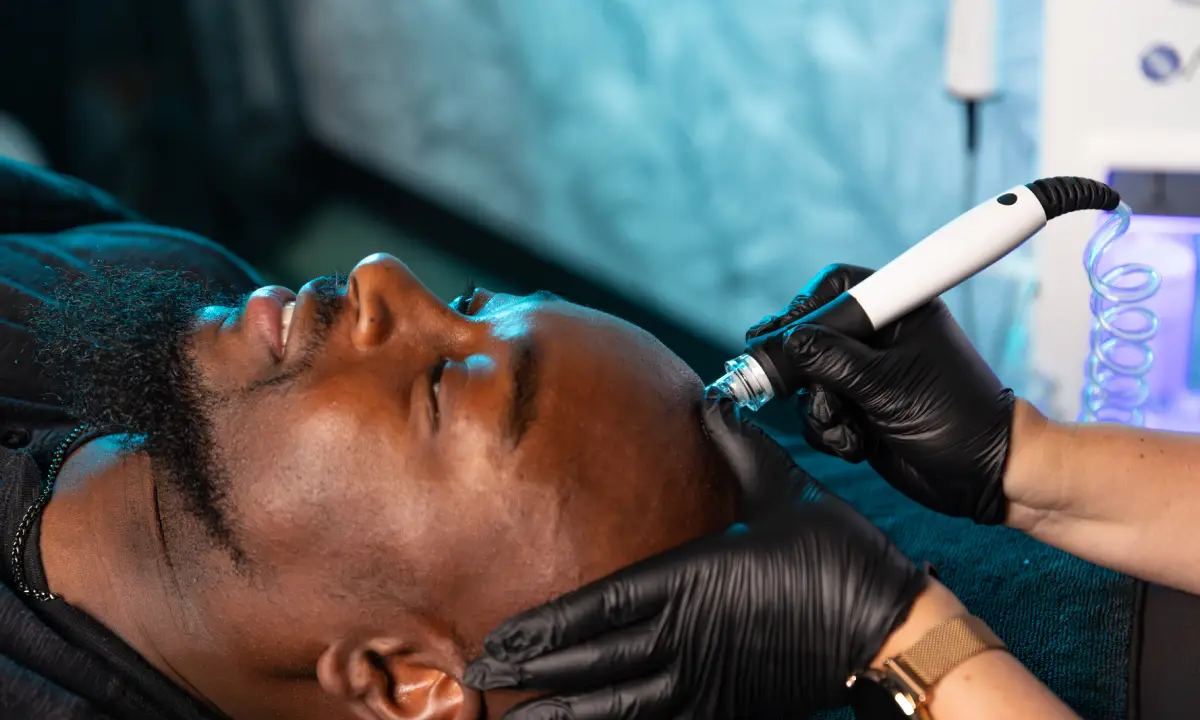
The microneedling device glides across the skin in small sections. Treatments often take between 20 and 40 minutes, depending on the area. Most describe the sensation as light pressure or a prickling feeling.
Step 4: Application of Post-Treatment Serums
After microneedling, the skin is more receptive to active ingredients. Many clinics apply hydrating serums, peptides, or growth factors to support healing and enhance radiance.
What to Expect After Microneedling
The recovery period is relatively short, yet the skin continues to improve for several weeks.
- Immediately after the appointment: Redness often appears and resembles a mild flush or sunburn. Warmth or tightness is common.
- First 24 to 48 hours: The redness gradually fades. Some swelling or sensitivity may linger during this time.
- Days 3 to 5: Mild dryness or flaking may develop as older cells shed. This stage reflects increased turnover.
- Weeks 2 to 6: Collagen production progresses, and the skin becomes smoother, firmer, and more even in tone. This phase showcases the deeper rejuvenation that microneedling delivers.
- Long-Term Improvement: A series of sessions spaced several weeks apart provides the most noticeable changes, especially for scars or deeper lines.
The Innovative and FDA-Approved Collagen P.I.N.® Microneedling
Modern microneedling devices continue to evolve in precision, safety, and performance. Collagen P.I.N.® Microneedling stands out as an FDA-approved system designed to deliver consistent micro-injury with refined control. This designation reinforces its safety profile and reflects rigorous testing for performance and reliability.
The Collagen P.I.N.® system uses high-speed oscillation combined with sterile, single-use needle cartridges. These elements work together to create thousands of uniform microchannels at a controlled depth. Consistency is one of the device’s strongest advantages. Uniform penetration supports predictable collagen stimulation, which is essential when addressing acne scars, fine lines, texture irregularities, and other structural concerns.
Optimize Wellness & Aesthetics and Their Collagen P.I.N.® Microneedling in Grimes, IA
Optimize Wellness & Aesthetics in Grimes recognizes that meaningful improvement begins with targeted stimulation and structured repair.
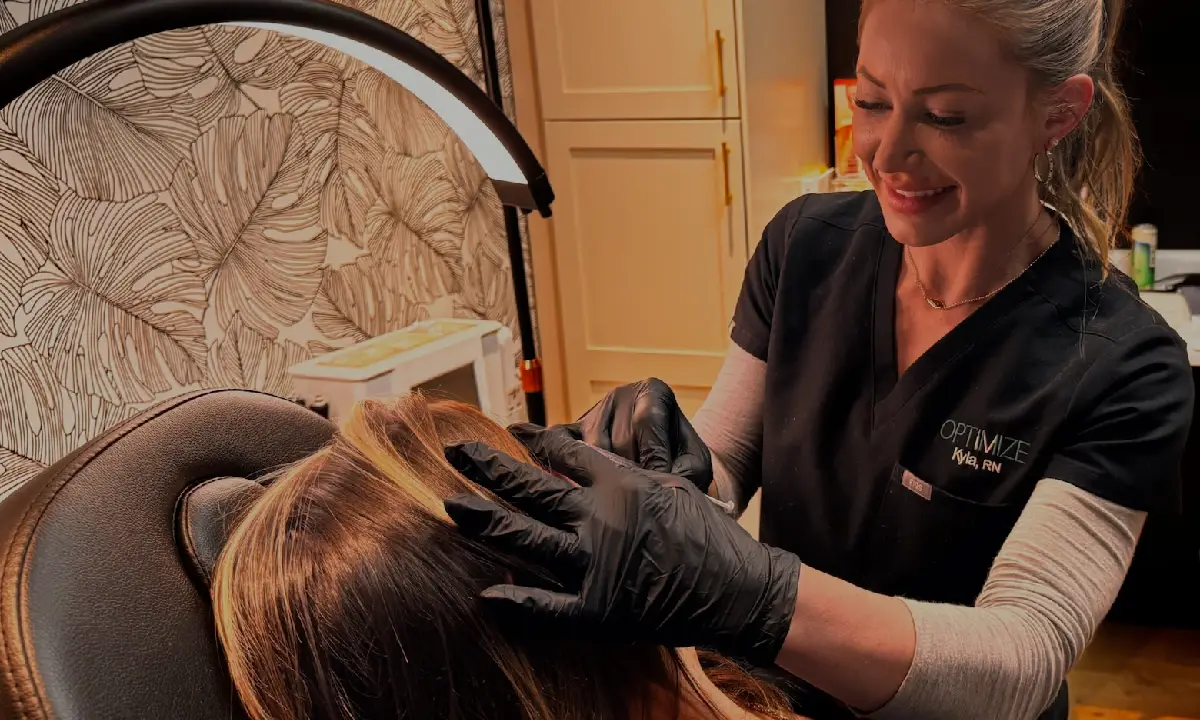
Our Collagen P.I.N.® Microneedling in Grimes, IA, focuses on activating the skin’s healing potential through precise microchannel creation and professional guidance. The treatment approach aims to rebuild confidence through visible improvement in clarity, smoothness, and tone.
Our team emphasizes education and individualized care. They understand that collagen decline begins early, often around the mid-twenties, and continues steadily. A thoughtful strategy helps address this natural shift by encouraging new collagen growth and supporting the skin from within.
Begin your next step toward radiant, resilient skin.
Frequently Asked Questions
How long does a microneedling session take?
A typical microneedling appointment lasts about 20 to 40 minutes, depending on the treatment area.
Is there downtime after microneedling?
Most people experience mild redness for one to two days before returning to their normal routine.
How many microneedling sessions are recommended for best results?
A series of three to six treatments spaced several weeks apart provides the most noticeable improvement.
When will microneedling results become visible?
Visible changes often appear within two to six weeks as collagen production increases.
Can one combine microneedling and dermal fillers?
Microneedling and dermal fillers can be paired in a treatment plan, although timing and suitability vary by individual, so a professional consultation is necessary to determine the safest approach.